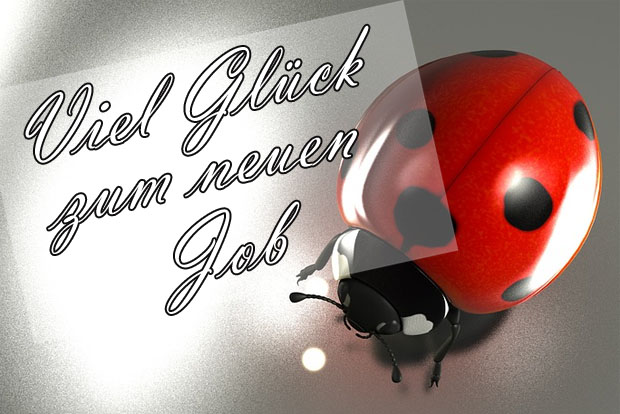
Viel Glück Für Den Neuen Job
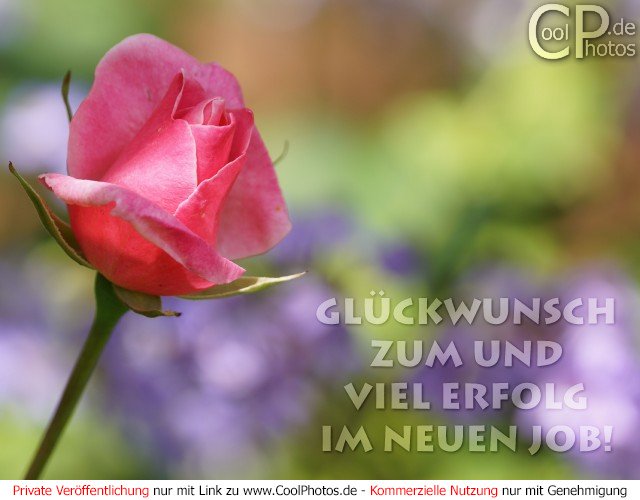
"Viel Glück für den neuen Job!" translates directly to "Good luck with the new job!" It's a common and sincere expression used in German-speaking countries to wish someone well in their new professional endeavor. Think of it as the German equivalent of "Best of luck!" or "Break a leg!" but specifically tailored for someone starting a new employment chapter. It’s more than just a polite phrase; it conveys genuine hope for the individual's success and happiness in their role.
Its application is straightforward: You use it when someone informs you that they've landed a new job, are about to start a new position, or are transitioning to a different company or role within the same company. It’s appropriate in a wide range of contexts, from formal interactions with colleagues to casual conversations with friends and family.
When and How to Say "Viel Glück für den neuen Job!"
Here's a phased walkthrough on how to effectively use this phrase, along with some illustrative examples:
Phase 1: Confirmation and Acknowledgment
Before offering your well wishes, ensure you've clearly understood that the person is indeed starting a new job. A simple acknowledgment shows that you've been listening and are genuinely interested.
- Example 1: They say, "Ich fange nächste Woche bei einer neuen Firma an." (I'm starting at a new company next week.) Your response could be, "Ach, das ist ja toll! Eine neue Firma, super!" (Oh, that's great! A new company, wonderful!)
- Example 2: They mention, "Ich habe endlich die Stelle als Projektmanager bekommen." (I finally got the position as a project manager.) You might respond with, "Herzlichen Glückwunsch! Das freut mich sehr für dich!" (Congratulations! I'm very happy for you!)
Phase 2: Expressing Your Good Wishes
Now comes the core of the message: offering your good luck for their new role. Here are a few ways to say "Viel Glück für den neuen Job!" with slight variations to suit the situation:
- Basic: "Viel Glück für den neuen Job!" (Good luck with the new job!)
- More emphatic: "Ich wünsche dir viel Glück für den neuen Job!" (I wish you good luck with the new job!) - Adding "Ich wünsche dir" (I wish you) makes it a bit more personal.
- Adding enthusiasm: "Ich wünsche dir ganz viel Glück für den neuen Job!" (I wish you lots of luck with the new job!) - "Ganz viel" (lots of) amplifies the sentiment.
Phase 3: Adding a Personal Touch (Optional)
Adding a personal touch makes your well wishes even more impactful. This can be anything from referencing their skills to expressing confidence in their abilities.
- Referencing their skills: "Viel Glück für den neuen Job! Mit deinen Fähigkeiten wirst du das bestimmt super machen!" (Good luck with the new job! With your skills, I'm sure you'll do great!)
- Expressing confidence: "Viel Glück für den neuen Job! Ich bin sicher, du wirst das rocken!" (Good luck with the new job! I'm sure you'll rock it!) - "Rocken" is an informal way of saying "succeed" or "do exceptionally well."
- Offering support (if appropriate): "Viel Glück für den neuen Job! Wenn du irgendetwas brauchst, sag Bescheid." (Good luck with the new job! If you need anything, let me know.)
Phase 4: Closing the Conversation
End the conversation on a positive note, reinforcing your good wishes and leaving them feeling supported.
- Simple farewell: "Alles Gute!" (All the best!)
- Reiterating your good wishes: "Ich drücke dir die Daumen!" (I'll keep my fingers crossed for you!) - This is an idiom meaning "I wish you luck."
- Enthusiastic send-off: "Mach's gut und viel Erfolg!" (Take care and good luck/success!)
Key Takeaways
- "Viel Glück für den neuen Job!" is a sincere and appropriate way to wish someone well in their new job.
- Always acknowledge the news of their new job before offering your good wishes.
- Adding a personal touch, such as referencing their skills or offering support, makes your message more meaningful.
- Close the conversation on a positive note, reinforcing your support and encouragement.
By following these simple steps, you can effectively and sincerely convey your good wishes to someone embarking on a new job journey in a German-speaking environment.