Vielen Dank Im Voraus Und Freundliche Grüße

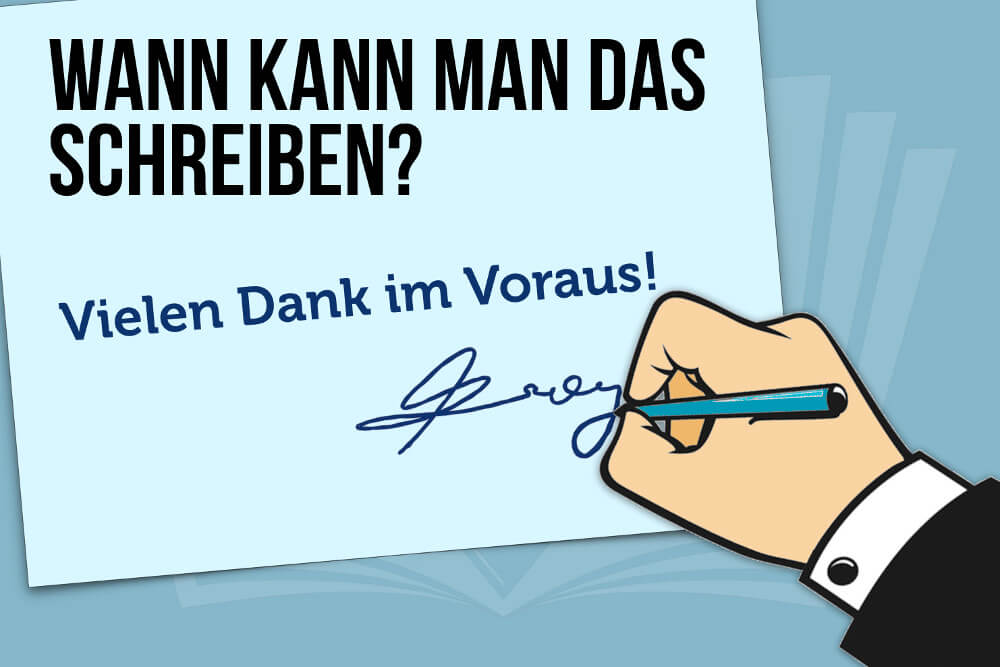
Vielen Dank im Voraus und freundliche Grüße – Let's break down this common German phrase, often seen at the end of emails or letters.
What does it mean?
It literally translates to "Many thanks in advance and friendly greetings." It's a polite way to express your gratitude before someone has actually helped you and to close your communication with a warm sentiment.
Breaking it down: "Vielen Dank im Voraus"
Vielen Dank means "Many thanks" or "Thank you very much." It's a straightforward expression of gratitude.
im Voraus means "in advance." Think of it like pre-emptively thanking someone. You're showing appreciation for the help you *expect* to receive. Imagine you're asking a colleague for feedback on a presentation. Using "Vielen Dank im Voraus" indicates you appreciate them taking the time to review it, even before they’ve done so.
Therefore, Vielen Dank im Voraus together means "Many thanks in advance" or "Thank you very much in advance."
Breaking it down: "und freundliche Grüße"
und simply means "and." It connects the expression of gratitude to the closing sentiment.
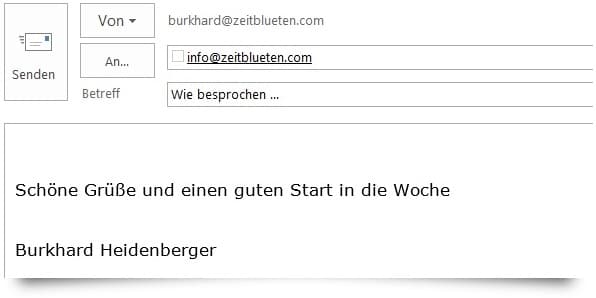
freundliche Grüße translates to "friendly greetings" or "kind regards." It's a standard, polite way to sign off a letter or email. It's more formal than a simple "Tschüss" (bye) and more widely applicable than a highly personal greeting.
So, und freundliche Grüße connects your thank you to a pleasant farewell.
When to use it?
Use Vielen Dank im Voraus und freundliche Grüße when:
- You are requesting a favor or information from someone.
- You are writing a formal email or letter (to someone you don't know well or in a professional context).
- You want to be polite and show respect.
For example: You're emailing customer support asking for assistance with a faulty product. You would likely end your email with "Vielen Dank im Voraus und freundliche Grüße."
When *not* to use it?
While generally safe, consider these scenarios:
- If you're writing to a close friend or family member, it might sound overly formal. Opt for something more casual like "Liebe Grüße" (best regards) or even just "Ciao."
- If you *know* the person won't be able to help you, thanking them in advance could seem sarcastic. In those cases, choose a different closing.
- After the help has been given. After they have sent the feedback, you use **Vielen Dank** or **Herzlichen Dank** (sincere thanks) at the end of the reply.
Alternatives
Depending on the context, you can also use these similar phrases:
- Vielen Dank für Ihre Hilfe im Voraus (Many thanks for your help in advance) - A slightly more specific variation.
- Mit freundlichen Grüßen (With kind regards) - A common and slightly more concise alternative.
- Besten Dank im Voraus (Best thanks in advance) - Another way to say "thank you in advance."
In a nutshell
Vielen Dank im Voraus und freundliche Grüße is a useful phrase to keep in your German vocabulary. It demonstrates politeness and gratitude in anticipation of someone's assistance. By understanding each part of the phrase, you can use it confidently and appropriately in your communications.