Vitamin A And Vitamin C

Vitamin A: Your Visionary Ally
Let’s talk about Vitamin A! It's a fat-soluble vitamin. This means your body stores it in fatty tissues. Think of it like a reserved energy source. Your liver is a major storage site.
What does it do? Vitamin A is crucial for vision. Especially night vision. It helps your eyes adjust to darkness. Imagine walking into a dimly lit movie theater. Vitamin A is working hard.
It also supports a healthy immune system. This is your body's defense force. Vitamin A helps build strong barriers. These barriers keep out harmful invaders. Think of it as the body's security system.
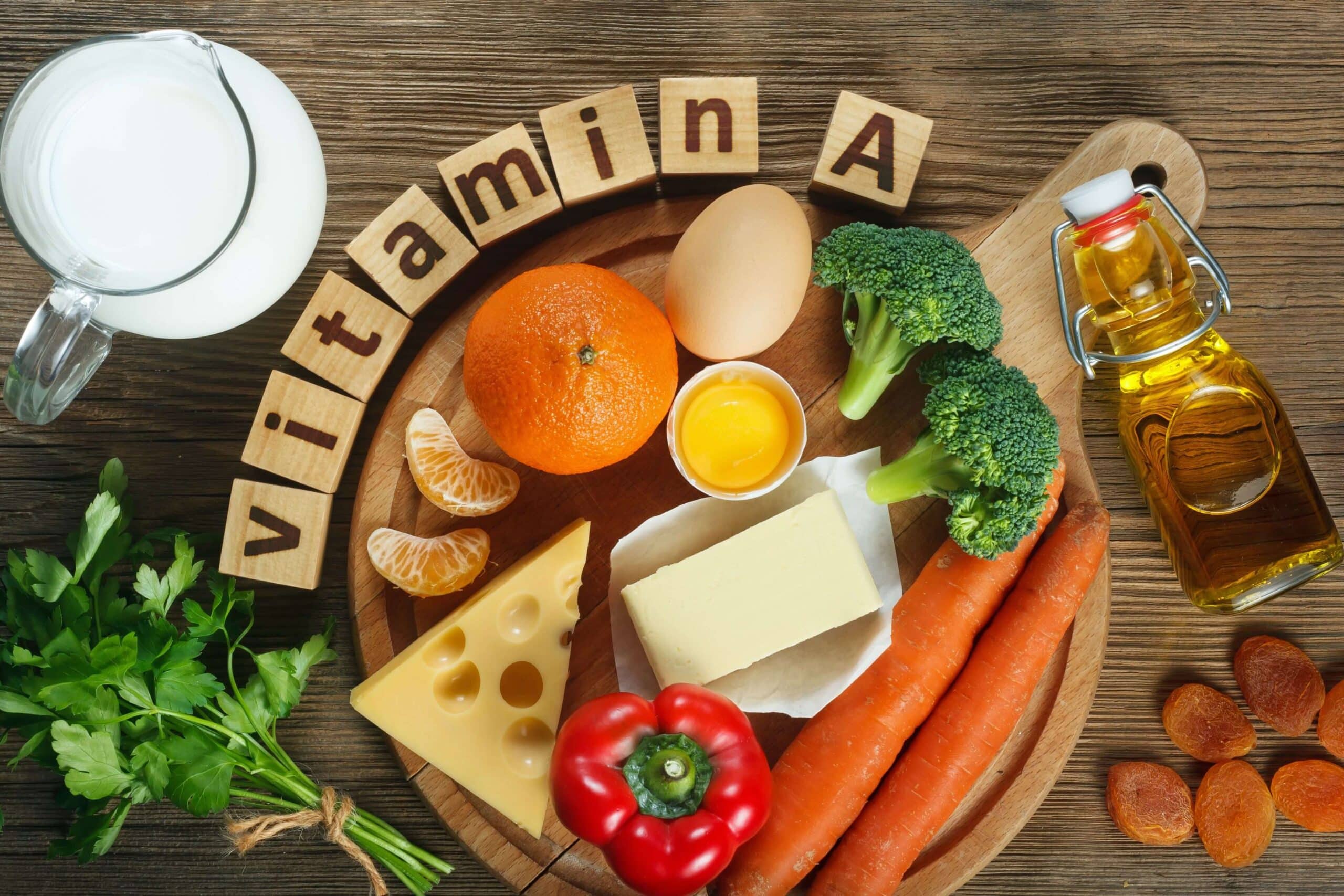
Where can you find it? You can find Vitamin A in two main forms. Retinol is found in animal products. Examples are liver, eggs, and dairy products. Beta-carotene is a precursor to Vitamin A. This means your body converts it to Vitamin A. Beta-carotene is in plant foods.
Good sources of beta-carotene include carrots. Also sweet potatoes and leafy green vegetables. Think of that bright orange color. That's beta-carotene at work! Your body converts it into usable Vitamin A.
"A diet rich in fruits and vegetables can provide ample Vitamin A. Choose a variety of colors for maximum benefit!"
What happens if you don't get enough? Vitamin A deficiency can lead to night blindness. You might have trouble seeing in low light. It can also increase your risk of infections. Your immune system is weakened.
Too much Vitamin A can also be harmful. It's rare, but possible. Especially from supplements. Symptoms of toxicity can include nausea, headache, and even liver damage. Always follow recommended dosages.
Vitamin C: The Defender
Now, let's dive into Vitamin C! This is a water-soluble vitamin. This means your body doesn't store it for long. You need to replenish it regularly through your diet. Any excess is excreted in urine.
Vitamin C is a powerful antioxidant. This means it protects your cells from damage. Damage caused by free radicals. Free radicals are unstable molecules. They can harm your body. Think of Vitamin C as a shield.
It's vital for collagen production. Collagen is a protein. It keeps your skin, tendons, and ligaments healthy. It's like the glue that holds your body together. Vitamin C ensures that "glue" is strong.
Vitamin C also boosts your immune system. It encourages the production of white blood cells. White blood cells fight off infections. So, Vitamin C strengthens your body's defense. Think of it as arming your immune soldiers.
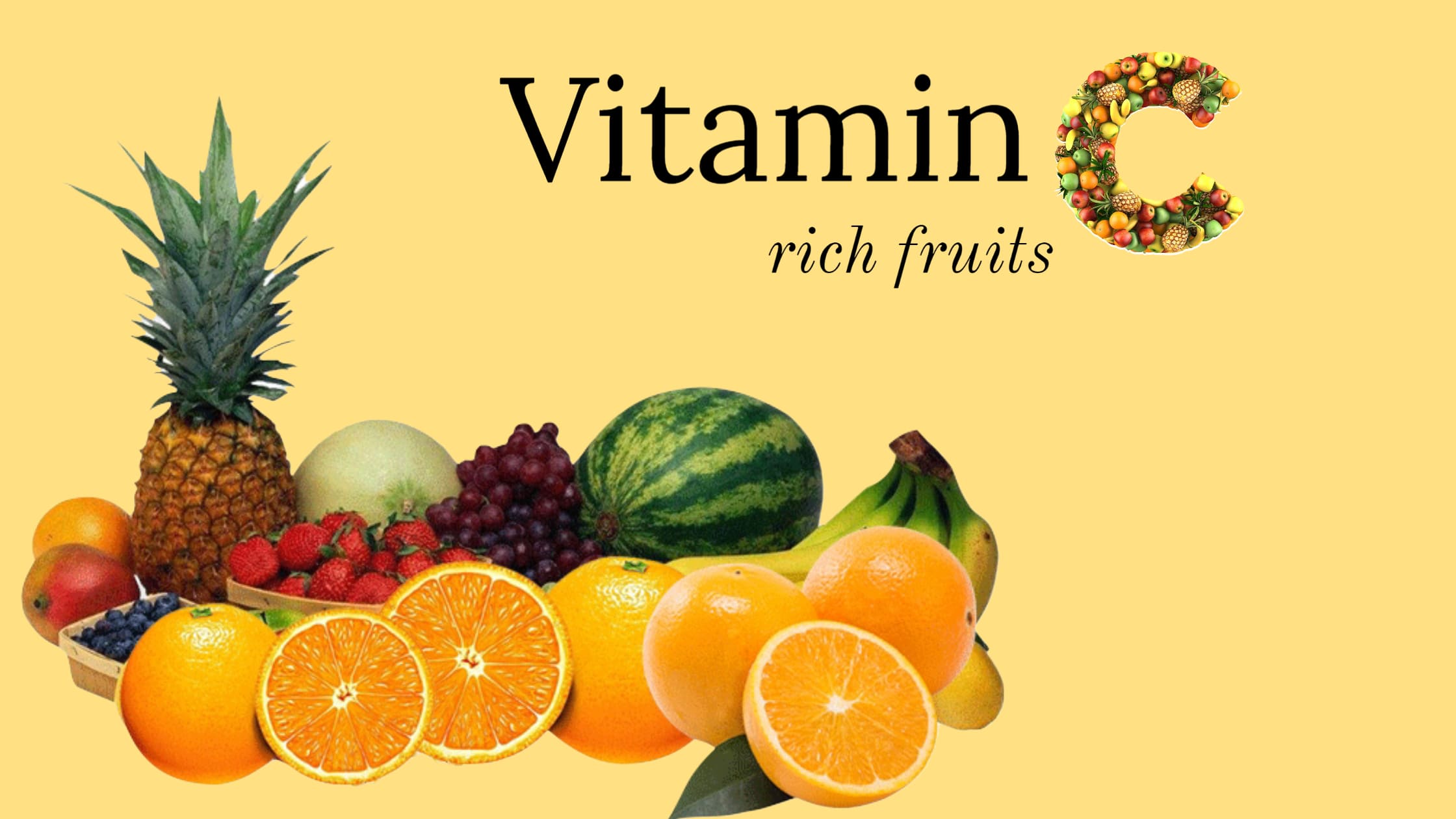
Where do you find it? Citrus fruits are excellent sources. Think oranges, lemons, and grapefruits. But it's not just citrus. Peppers, strawberries, and broccoli are also great choices. A colorful plate is a good sign!
Bell peppers, especially red ones, are packed with Vitamin C. Even more than oranges! Broccoli is another excellent source. It's versatile and nutritious.
What if you don't get enough Vitamin C? Deficiency can lead to scurvy. This is a rare condition. But it can cause fatigue, bleeding gums, and joint pain. Proper diet prevents this.
While generally safe, excessive doses of Vitamin C can cause some side effects. These can include diarrhea and stomach cramps. Again, moderation is key. Sticking to recommended amounts is best.
"Remember that Vitamin C is heat-sensitive. Cooking can destroy some of it. Enjoying raw fruits and vegetables maximizes its benefits!"
In summary, both Vitamin A and Vitamin C are essential for good health. They play different, but crucial roles in your body. A balanced diet rich in fruits, vegetables, and whole foods can ensure you get enough of both. They keep you seeing well and keep your immune system strong.