Wann Passt Es Am Besten
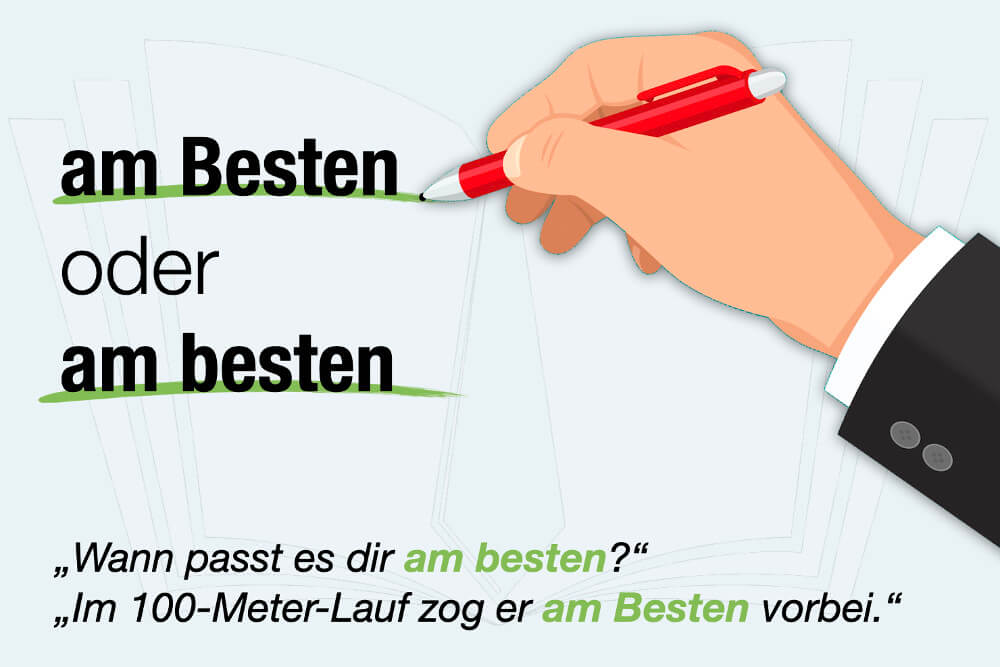
Wann passt es am besten? (When is it most convenient?) is a common and vital phrase used in German to arrange meetings, appointments, or simply find a suitable time for an activity. It's all about coordination and finding a time that works for everyone involved. Let's break down how to use this phrase effectively.
Step 1: Asking the Question
The fundamental question is: "Wann passt es dir/Ihnen am besten?" This translates directly to "When is it best for you?"
- Dir: Use this with friends, family, or people you know well (informal "you"). Example: "Hey Anna, wann passt es dir am besten, um ins Kino zu gehen?" (Hey Anna, when is it best for you to go to the cinema?)
- Ihnen: Use this with people you don't know well, people older than you, or in formal situations (formal "you"). Example: "Guten Tag Herr Schmidt, wann passt es Ihnen am besten für ein Treffen?" (Good day Mr. Schmidt, when is it best for you for a meeting?)
Step 2: Understanding Possible Answers
People will respond with specific times, days, or offer ranges of availability. Here are some common responses:
- Specific Time/Day: "Am Montag um 10 Uhr" (On Monday at 10 am) or "Dienstag Nachmittag" (Tuesday afternoon).
- Range of Times: "Irgendwann zwischen 2 und 4 Uhr" (Sometime between 2 and 4 o'clock) or "Am Wochenende bin ich flexibel" (I'm flexible on the weekend).
- Limitations: "Ich kann nur am Mittwoch Vormittag" (I can only do Wednesday morning) or "Am Donnerstag habe ich leider keine Zeit" (Unfortunately, I have no time on Thursday).
Step 3: Making Suggestions
If the initial suggestion doesn't work, offer alternatives! Use phrases like:
- "Wie wäre es mit...?" (How about...?) Example: "Wie wäre es mit Freitag Abend?" (How about Friday evening?)
- "Passt dir vielleicht...?" (Does... work for you perhaps?) Example: "Passt dir vielleicht nächste Woche Dienstag?" (Does next week Tuesday work for you perhaps?)
- "Wäre ... eine Option?" (Would ... be an option?) Example: "Wäre Samstag Vormittag eine Option?" (Would Saturday morning be an option?)
Step 4: Confirming the Time
Once you've found a mutually convenient time, confirm it! This avoids misunderstandings.
- "Also, Donnerstag um 14 Uhr. Super!" (So, Thursday at 2 pm. Great!)
- "Perfekt, dann bis nächste Woche Mittwoch!" (Perfect, see you next Wednesday!)
- "Prima, ich notiere es mir. Bis dann!" (Great, I'll write it down. See you then!)
Examples in Context
Let's see a few real-world scenarios:
Scenario 1: Arranging a Study Session
You: "Hallo Lisa, wann passt es dir am besten für unsere Lerngruppe?" (Hello Lisa, when is it best for you for our study group?)
Lisa: "Ich bin am Montag und Dienstag beschäftigt. Mittwoch Nachmittag oder Donnerstag Vormittag wäre gut." (I'm busy on Monday and Tuesday. Wednesday afternoon or Thursday morning would be good.)
You: "Wie wäre es mit Mittwoch um 15 Uhr?" (How about Wednesday at 3 pm?)
Lisa: "Ja, das passt perfekt!" (Yes, that works perfectly!)
You: "Super, bis Mittwoch!" (Great, see you Wednesday!)
Scenario 2: Making a Doctor's Appointment
You: "Guten Tag, ich möchte einen Termin vereinbaren. Wann passt es Ihnen am besten?" (Good day, I'd like to make an appointment. When is it best for you?)
Assistant: "Gerne. Haben Sie nächste Woche Zeit? Wir haben Termine am Montag und Mittwoch Vormittag frei." (Certainly. Do you have time next week? We have appointments available on Monday and Wednesday morning.)
You: "Passt mir vielleicht Montag Vormittag besser. Wie spät wäre das?" (Monday morning works better for me perhaps. What time would that be?)
Assistant: "Wir hätten einen Termin um 9 Uhr." (We have an appointment at 9 am.)
You: "Prima, den nehme ich. Danke!" (Great, I'll take it. Thank you!)
Key Takeaways
Mastering "Wann passt es am besten?" is essential for social interactions and practical arrangements in German-speaking countries. Remember to use the correct form of "you" (dir or Ihnen), be flexible with suggestions, and always confirm the agreed-upon time. Good luck with your scheduling!