Wann Seit Oder Seid Ihr Da

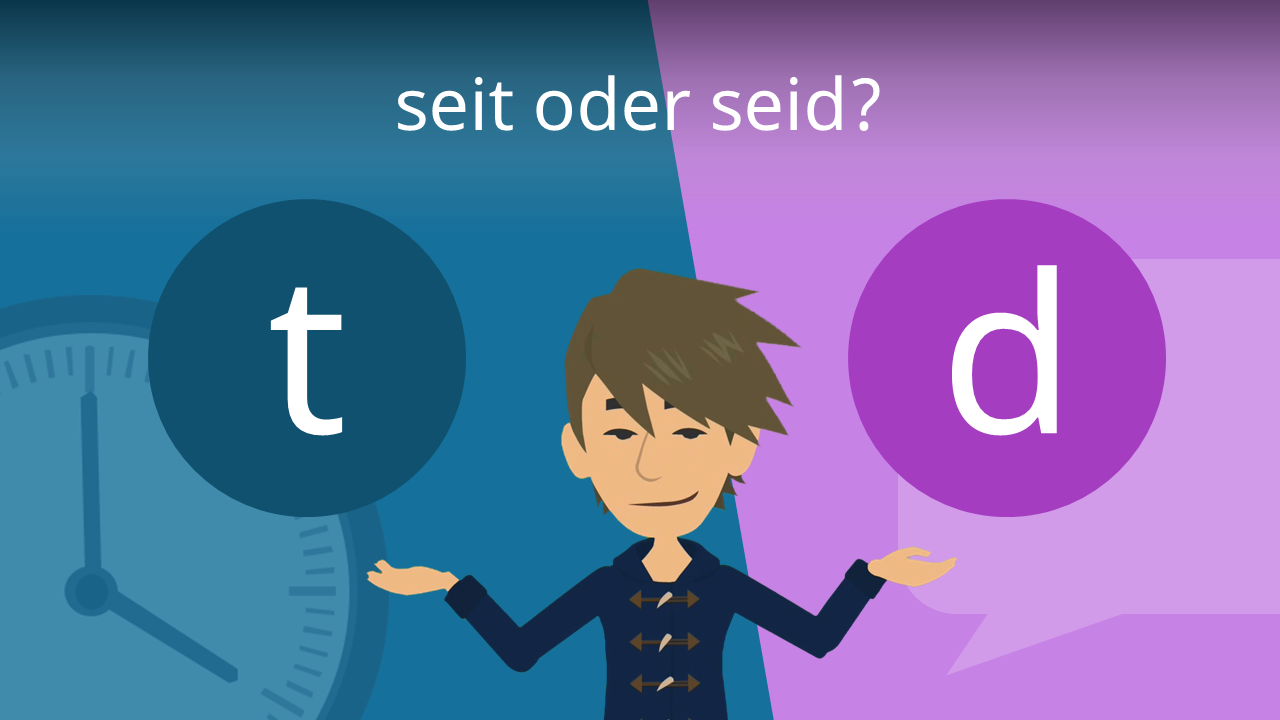
The question "Wann seit, seid, oder seid ihr da?" is a common stumbling block for German learners. It involves understanding three distinct words: seit (a preposition), seid (a verb form), and oder (a conjunction), and knowing which one fits the context of asking when someone will be somewhere.
"Seit": Duration of Time
Seit is a preposition that indicates a duration or period of time. It translates to "since" or "for" in English, but specifically referring to something that *started* in the past and continues to the present. Crucially, it's always followed by the accusative case.
For example: "Ich wohne seit drei Jahren in Berlin." (I have lived in Berlin for three years.) This means you started living in Berlin three years ago and still live there.
Another example: "Seit wann lernst du Deutsch?" (Since when have you been learning German?). This inquires about the starting point of your German studies that continue to the present.
It is crucial to remember that seit describes duration from a past point until now.
"Seid": The Verb "Sein"
Seid is the second-person plural (ihr) form of the verb "sein" (to be). It's used when addressing a group of people directly.
For instance: "Seid ihr müde?" (Are you (plural) tired?). Here, seid is the verb, indicating a state of being.
Another example: "Seid pünktlich!" (Be on time!). This is a command directed towards a group of people.
Remember: Seid is always linked to a plural "you" (ihr).
"Oder": The Conjunction
Oder is a conjunction meaning "or." It presents an alternative or a choice.
For example: "Möchtest du Kaffee oder Tee?" (Do you want coffee or tea?). This offers two options.
Another example: "Ist er krank, oder ist er nur müde?" (Is he sick, or is he just tired?). This presents two possible explanations.
Oder connects words, phrases, or clauses, offering a choice between them.
The Correct Usage: "Wann seid ihr da?"
Now, let's address the original phrase. The correct way to ask "When will you (plural) be there?" is "Wann seid ihr da?".
Here's why: We are asking about a *future* point in time when a group of people ("ihr") will *be* ("seid") at a certain location. Seid, the verb "sein", is the correct choice.
Common Mistakes and How to Avoid Them
Using "Wann seit ihr da?" is incorrect because seit refers to a duration *since* a past point. It doesn't make sense to ask about a duration related to a future event.
The "oder" is also inappropriate in this scenario. It presents choices where there are none. The user simply wants to know at what time the group will be there.
To avoid these mistakes, ask yourself these questions:
- Am I asking about a duration that started in the past and continues to the present? If yes, use seit.
- Am I using the plural "you" (ihr) and need the verb "to be"? If yes, use seid.
- Am I offering a choice between alternatives? If yes, use oder.
In summary:
Understanding the difference between seit, seid, and oder is essential for accurate and effective communication in German. Seit indicates duration, seid is the plural form of the verb "to be," and oder presents a choice. When asking about arrival time, remember to use "Wann seid ihr da?"