Was Ist Das Für Eine Sprache
Was ist das für eine Sprache? Exploring Language Identification in the Classroom
Understanding how we identify languages is a fascinating journey. This concept, often appearing simple, reveals layers of complexity when explored in detail. Let's delve into how educators can introduce this to students.
It's crucial to begin with the basics. Start by asking students what makes a language unique. What features differentiate English from Spanish or German?
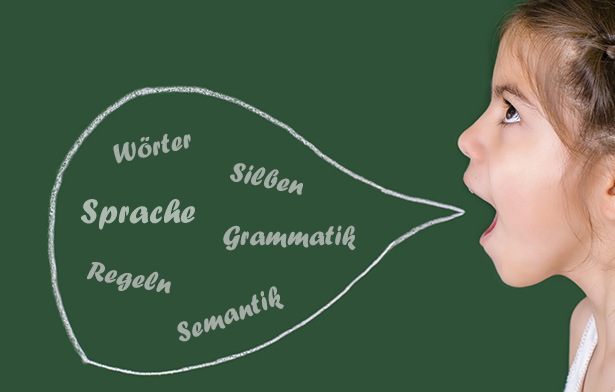
Consider sounds, vocabulary, and grammar. These elements form the building blocks of any language. Highlighting these aspects can help students understand the fundamentals.
Teacher Tips for Introducing Language Identification
Begin with languages familiar to your students. Show them short clips of spoken English, Spanish, and perhaps another language represented in your classroom. Ask them to identify the language based on what they hear.
Use visual aids like maps and flags. Connecting languages to their countries of origin provides geographical context. This reinforces the idea that languages are tied to specific cultures and regions.
Incorporate authentic audio or video snippets. Short news reports, songs, or movie clips offer real-world examples. These resources can show language in its natural context.
"Language is the road map of a culture. It tells you where its people come from and where they are going." - Rita Mae Brown
Common Misconceptions
One common misconception is that all languages are easily distinguishable. In reality, some languages share similarities, making identification trickier. Consider the Romance languages, such as Spanish and Portuguese.
Another misconception is that only native speakers can identify languages. With practice and exposure, anyone can improve their ability to recognize different languages. The key is to train the ear.
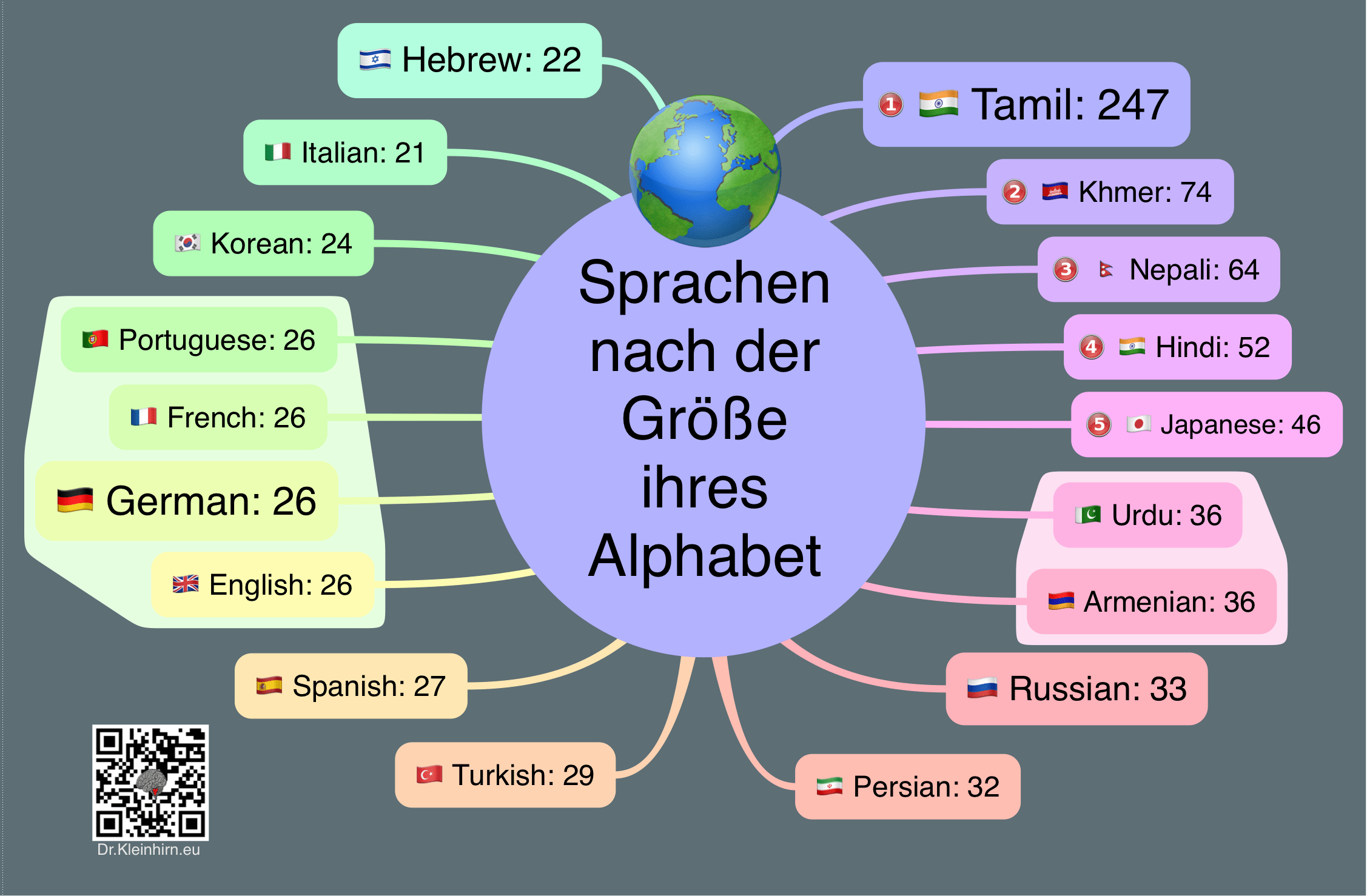
Students might also believe that writing systems are the only way to identify languages. Many languages have unique spoken features even when written using the same script, like the Latin alphabet. Think about the different pronunciations of words in English and German, despite sharing similar letters.
Making Language Identification Engaging
Gamification can make learning fun. Create a language identification game using audio clips. Students can compete to identify the language correctly.
Invite guest speakers who are native speakers of different languages. They can share insights into their language and culture. This provides a personal connection for students.
Use online language identification tools. These tools allow students to experiment and test their skills. There are also resources that demonstrate how automatic language detection works using algorithms.
Focusing on Linguistic Features
Emphasize the role of phonetics and phonology. Certain languages have distinct sounds or sound combinations. For example, the uvular "r" in French or the tones in Mandarin Chinese are unique identifiers.
Discuss grammatical structures. Different languages employ different word orders and sentence structures. Understanding these differences can aid in identification.
Explore loanwords. Many languages borrow words from other languages. Identifying these loanwords can sometimes hint at the language's historical influences. For instance, many English words have French origins.
Language Families and Their Influence
Introducing the concept of language families helps students understand the relationships between languages. Knowing that Spanish, French, and Italian belong to the Romance language family provides context for their similarities.
Discuss the Indo-European language family, one of the largest language families in the world. Explain how languages like English, German, Hindi, and Russian are all related.
Explore how language families spread across the globe. Understanding historical migrations and cultural exchanges can illuminate the development and distribution of languages.
Assessment and Further Exploration
Assess student understanding through simple quizzes and activities. Ask them to identify languages based on short audio clips or written texts.
Encourage further exploration by having students research different languages. They can present their findings to the class, sharing interesting facts and features.
Remind students that language identification is a skill that improves with practice. Encourage them to continue listening to and learning about different languages. Learning about different languages allows one to be culturally aware and diverse.