Wie Besprochen Sende Ich Ihnen Im Anhang Die Gewünschten Unterlagen
"Wie Besprochen Sende Ich Ihnen Im Anhang Die Gewünschten Unterlagen": Decoding a Common German Phrase
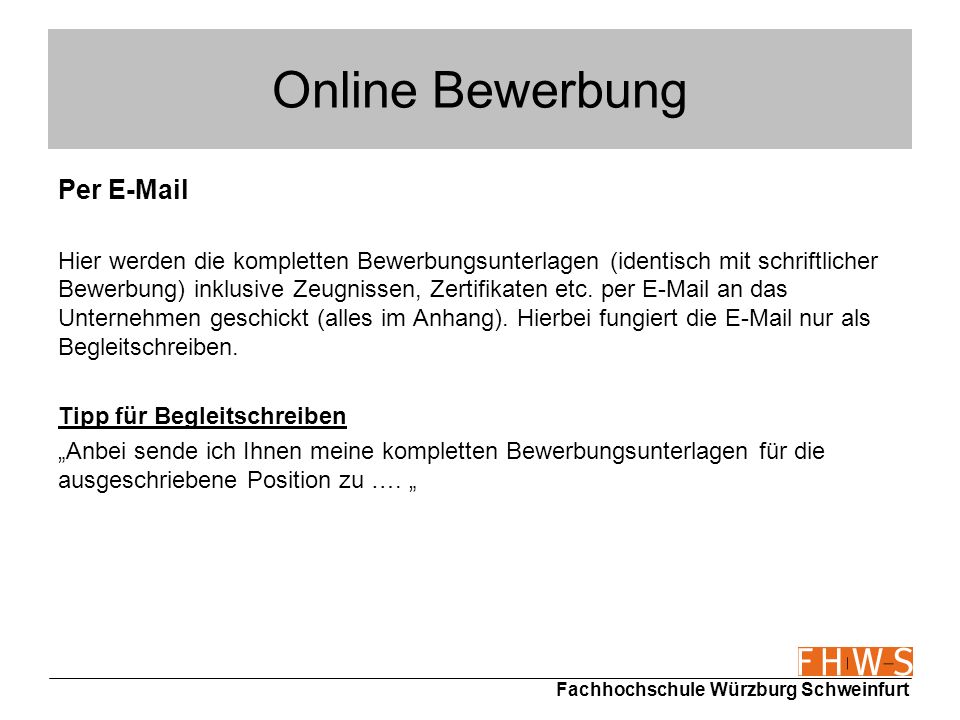
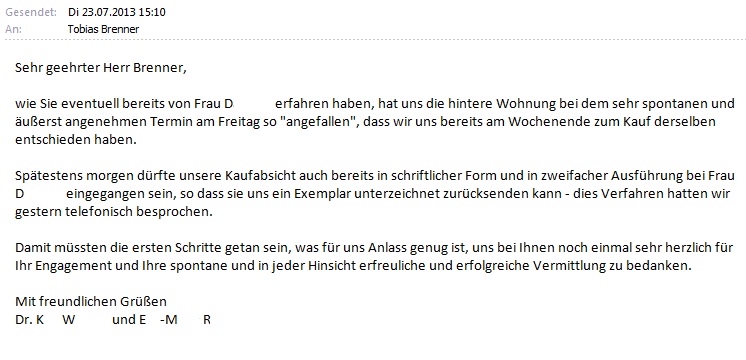
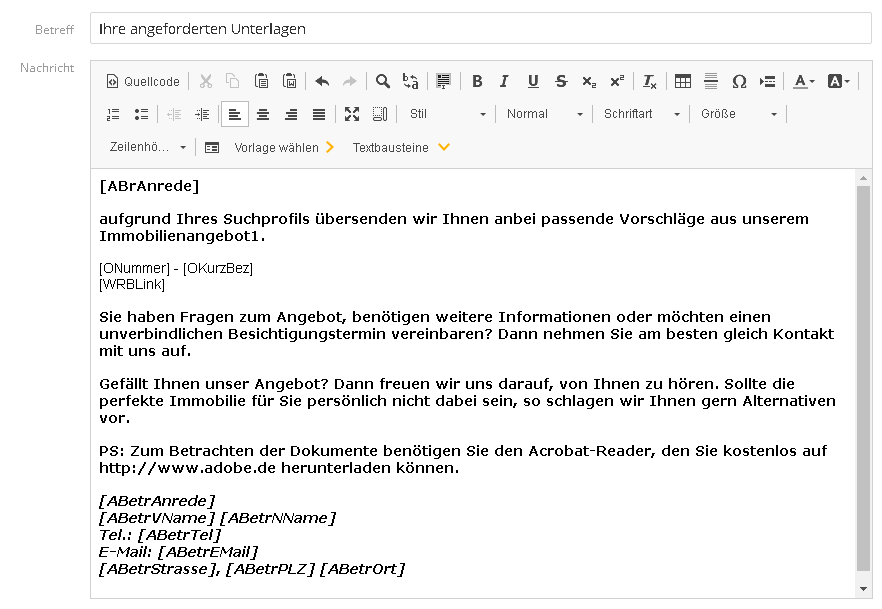
Ever received an email in German that seemed a bit formal? You might have encountered the phrase: "Wie besprochen sende ich Ihnen im Anhang die gewünschten Unterlagen." Let's break it down! It’s a common phrase used in professional settings.
First, let's define some key terms. "Wie besprochen" translates to "as discussed" or "as agreed." This implies a prior conversation. Think of it like saying, "Remember when we talked about…?"
For example, imagine you spoke with your teacher, Frau Schmidt, about a research paper. "Wie besprochen" signals a follow-up on that conversation. You had a conversation about the paper.
Understanding Each Part
Next, consider "sende ich Ihnen". This means "I am sending you." It’s the action part of the sentence. It means the person who sent the email is sending something to someone.
"Im Anhang" is crucial. It indicates "in the attachment." The sender is referring to a file attached to the email. It can be a PDF, a Word document, or any other file.
Finally, "die gewünschten Unterlagen" translates to "the requested documents" or "the desired documents." These are the papers or files someone asked for earlier. It's what the receiver asked to be sent.
Put it all together: "Wie besprochen sende ich Ihnen im Anhang die gewünschten Unterlagen" means "As we discussed, I am sending you the requested documents in the attachment." Now you see? It is not that complicated.
A Closer Look at Grammar
The phrase uses formal German. Notice the "Ihnen," the formal "you." In informal German, you would use "dir" instead of "Ihnen." The sender is showing respect. It shows they are in a formal setting.
Also note the word order. German often places the verb ("sende") second. This can be tricky for English speakers. Don’t focus on the word placement, but focus on the sentence.
Real-World Examples
Let's consider some examples. A professor might email a student. The professor uses the phrase to send notes. The notes are the "gewünschten Unterlagen."
Another example is between colleagues. Imagine you request a sales report from a colleague, Herr Müller. He then sends you an email. The email includes the phrase and the attached report.
What about personal settings? This phrase is rare outside formal situations. You wouldn't usually say it to a friend. You might say something like, "Here are the photos we talked about."
Synonyms and Similar Phrases
There are other ways to convey the same message. A simpler phrase could be, "Anbei die gewünschten Unterlagen." This translates to "Attached, the requested documents." It's a bit less formal, but still professional.
You could also say, "Wie vereinbart, erhalten Sie im Anhang die Unterlagen." This means "As agreed, you will receive the documents in the attachment." It is another way to format the sentence.
Another synonym for "gewünschten Unterlagen" could be "angeforderten Unterlagen", which is also “requested documents." Learn these so you can see them in other emails.
Why Is This Phrase Important?
Understanding this phrase helps you navigate German business communication. Recognizing it lets you understand the email's purpose. You instantly know what’s being sent and why. It helps you identify key information.
It also demonstrates your understanding of German etiquette. Responding appropriately shows professionalism. For instance, you can reply with "Vielen Dank für die Zusendung der Unterlagen" ("Thank you very much for sending the documents").
Remember, language learning involves more than grammar. It's about understanding cultural context. This phrase is a small window into German professional culture. Knowing it increases your communication skills.
In summary, "Wie besprochen sende ich Ihnen im Anhang die gewünschten Unterlagen" is a useful phrase. It means "As discussed, I am sending you the requested documents in the attachment." It’s a staple of German business communication. Keep learning these common phrases!
Tip: Pay attention to how native speakers use these phrases. Observe their tone and context. This will improve your understanding and fluency.