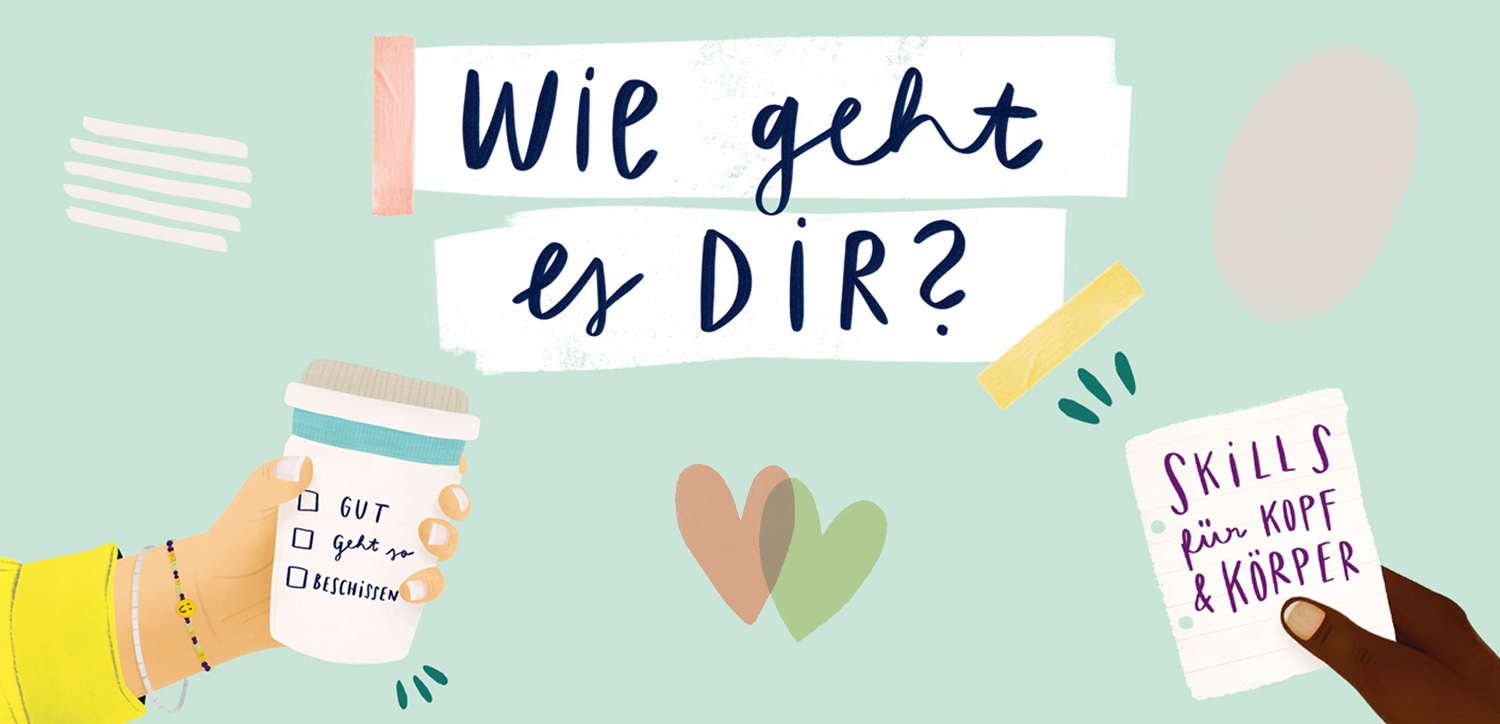
Wie Geht Es Dir Anders Fragen

"Wie geht es dir anders fragen" means asking "How are you?" in German, but using alternative phrases.
Warum andere Fragen stellen? (Why ask differently?)
Sometimes, repeatedly asking "Wie geht es dir?" feels repetitive. Using different questions adds variety and can encourage more genuine responses. People might be more willing to share when asked in a novel way.
Gängige Alternativen (Common Alternatives)
Here are some frequent ways to ask "How are you?" differently in German:
- "Was machst du so?" (What are you up to?) - This is very informal and used amongst friends. It implies wanting to know what the person is doing generally.
- "Was gibt's Neues?" (What's new?) - This invites the person to share any recent updates or interesting events in their life.
- "Wie läuft's?" (How's it going?) - A casual and common way to inquire about someone's well-being and current activities.
- "Alles klar bei dir?" (Everything alright with you?) - This checks if everything is okay and the person isn't facing any problems.
- "Wie war dein Tag?" (How was your day?) - Good to ask at the end of the day.
- "Wie fühlst du dich?" (How do you feel?) - More direct and used when you suspect someone might not be doing well.
Formell vs. Informell (Formal vs. Informal)
The choice of phrase depends on your relationship with the person.
- Informal: Use "Was machst du so?", "Wie läuft's?", "Alles klar bei dir?" with friends and family.
- Formal: While "Wie geht es Ihnen?" is the standard formal way, you could also use "Was gibt es bei Ihnen Neues?" (What's new with you, formally?) but it's less common. A more formal approach is to simply inquire about something specific related to their work or shared interest. For example, "Wie schreitet das Projekt voran?" (How is the project progressing?)
Beispiele im Gespräch (Examples in Conversation)
Here are a few examples of how these alternative questions might be used:
- Friend 1: "Hey Lisa! Was machst du so?" Friend 2: "Nicht viel, nur ein bisschen Netflix. Und du?"
- Colleague 1: "Guten Tag, Herr Schmidt. Wie läuft's mit dem Bericht?" Colleague 2: "Guten Tag, Frau Müller. Er ist fast fertig. Ich brauche noch einen Tag."
- Family Member 1: "Hallo Oma! Alles klar bei dir?" Family Member 2: "Ja, danke der Nachfrage. Alles gut soweit."
Mehr als nur "Hallo" (More than just "Hello")
Choosing different ways to ask "How are you?" can make your conversations more engaging and show genuine interest. It also allows you to adapt your language to the specific situation and your relationship with the person you're talking to. Think of it as adding flavor to your German conversations!
Achte auf die Antwort (Pay Attention to the Answer)
Regardless of the phrase you choose, *listen carefully to the response*. The most important aspect is showing that you care and are genuinely interested in the other person's well-being.
Fazit (Conclusion)
"Wie geht es dir anders fragen" is a useful tool for making your German more natural and engaging. Experiment with different phrases and pay attention to the context to choose the most appropriate option. Viel Spaß beim Üben! (Have fun practicing!)