Wie Geht Es Dir Englisch Antwort

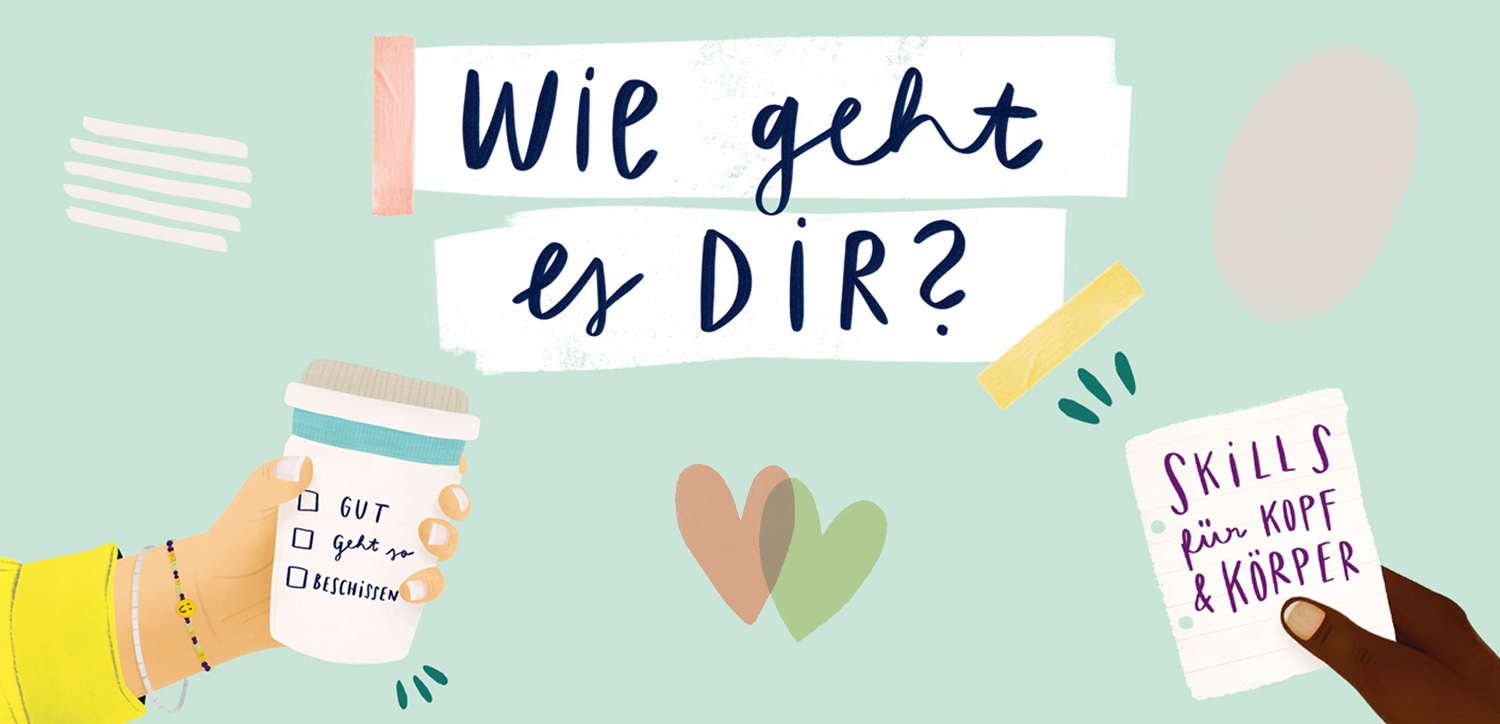
Wie Geht Es Dir? Asking "How Are You?" in German
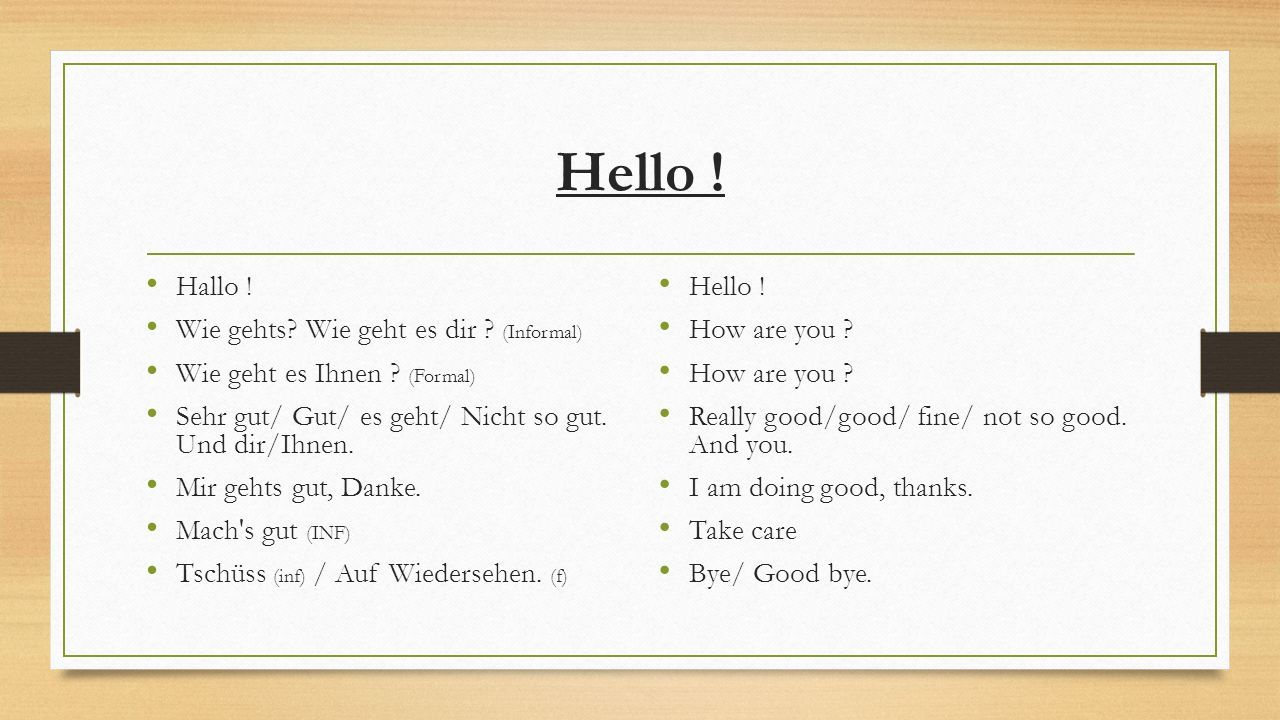
"Wie geht es dir?" is a common German phrase. It directly translates to "How goes it to you?". Think of it like asking someone "How is it going?" in English.
Visual learners, imagine a dial. This dial represents someone's well-being. Where is their dial pointing today? Are they feeling fantastic, just okay, or a bit under the weather?
Possible Answers to "Wie Geht Es Dir?"
The beauty of language lies in variety. There isn't just one right answer. It is similar to how many ways one can say Hello in English. Let's explore some common responses, visualizing each.
"Mir geht es gut."
This is the classic, straightforward response. It means "I am doing well." Picture a thumbs-up. You're feeling good, things are going well, and you're generally happy.
Think of a sunny day. Birds are singing, and you have no worries. This is what "Mir geht es gut" embodies. If you are feeling well and the sun is shining for you, this is a great response!
"Mir geht es sehr gut."
This is a stronger version of the previous answer. "Sehr" means "very". So, "Mir geht es sehr gut" translates to "I am doing very well!".
Visualize a double thumbs-up! You're not just doing well, you are thriving! This response is more powerful. If you feel like you have won the lottery, this would be a great response!
"Es geht."
This phrase is a bit more neutral. It means "It goes." or "I'm okay." Think of a flat line on a graph. Neither high nor low.
Imagine a gray day. Not terrible, but not amazing either. This is where "Es geht" lives. When you just feel normal.
"Nicht schlecht."
Literally, it means "Not bad." This translates more casually to "Not bad!".
Visualize a slightly upward-sloping line. You're not ecstatic, but things aren't terrible either. It is better than 'Es geht.'
"Mir geht es nicht gut."
This means "I am not doing well." Think of a downturned thumb. Things are not going as planned.
Picture a rainy day. Maybe you have a headache, or you're feeling a bit down. "Mir geht es nicht gut" reflects that feeling. When the sun is not shining on you.
"Mir geht es schlecht."
This is the strongest negative response. "Schlecht" means "bad". Therefore, "Mir geht es schlecht" translates to "I am doing badly.".
Visualize a broken heart. You are feeling truly awful, possibly sick or very upset. This is when you can use this phrase. Perhaps your computer just crashed, or you lost your keys.
Beyond the Basics: Adding Detail
To provide a fuller picture, you can add details. This is just like saying you had a good day because you went to the beach. You can explain *why* you feel a certain way.
For instance, you could say, "Mir geht es gut, denn ich habe gut geschlafen." (I am doing well, because I slept well). Adding "denn" (because) allows you to elaborate.
Another example: "Mir geht es schlecht, weil ich krank bin." (I am doing badly, because I am sick). Providing context makes your answer more meaningful.
"Und dir?" - And You?
After answering, it's polite to return the question. Simply add "Und dir?" (And you?). It shows that you care about the other person's well-being, just as they cared about yours.
Imagine passing the ball back to the person who threw it to you. It's polite and keeps the conversation flowing. This action is courteous, demonstrating social grace. Don't forget this vital part.
Practice Makes Perfect
Learning a language is like learning to ride a bike. It takes practice. Do not be afraid to make mistakes. The important thing is to keep practicing.
Try these phrases with a friend or language partner. The more you use them, the more natural they will become. Before you know it, you will be using them with no problem.
Remember, language learning is a journey, not a destination. Enjoy the process of discovery! Have fun!