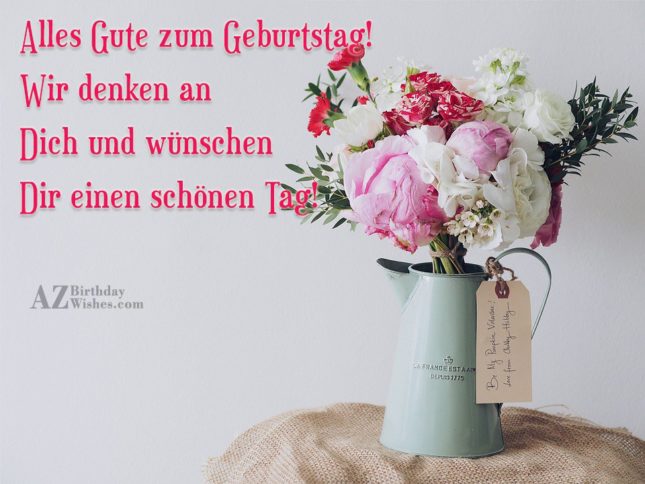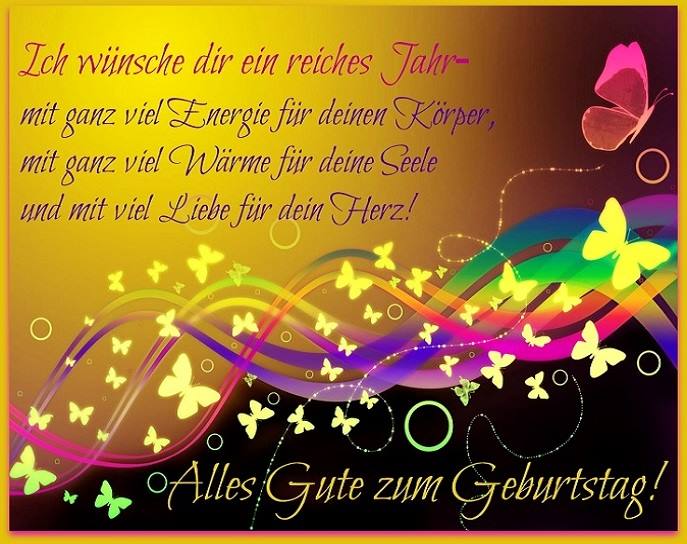
Wir Wünschen Alles Gute Zum Geburtstag
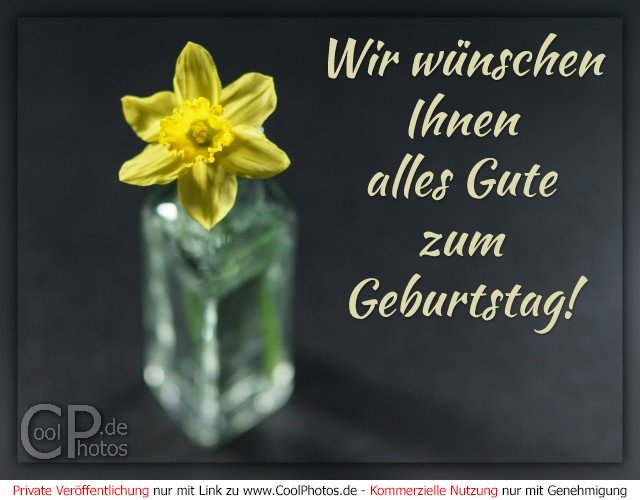
Alles Gute Zum Geburtstag: Decoding a German Birthday Wish
Ever heard someone say "Wir wünschen alles Gute zum Geburtstag!"? It's a common phrase, especially if you have German-speaking friends, or are learning German yourself. It's a warm and friendly way to offer birthday wishes.
Let's break it down. This way, you can fully understand the meaning and use it correctly.
Understanding the Words
The phrase consists of a few important components. We'll tackle each one individually. This will make the overall meaning much clearer.
First, we have "Wir". "Wir" simply means "we" in German. It indicates that the birthday wishes are coming from a group of people, not just one person. Think of it like saying, "We, the group of friends, are wishing you well!"
Next is "wünschen". This verb means "to wish". Therefore, "Wir wünschen" translates to "We wish". It's the action word of the sentence, indicating that someone is expressing a desire for something good to happen.
Then comes "alles Gute". "Alles" means "everything". "Gute" is the noun form of "gut", which means "good". Together, "alles Gute" translates to "all the best" or "everything good". This part expresses the wish for positive things.
Finally, we have "zum Geburtstag". "Zum" is a contraction of "zu dem", meaning "to the". "Geburtstag" means "birthday". So, "zum Geburtstag" means "for the birthday" or "on your birthday".
Putting it All Together
Now, let's combine all the parts. "Wir wünschen alles Gute zum Geburtstag!" translates to "We wish you all the best for your birthday!" or "We wish you a happy birthday!".
Think of it this way: Imagine you and your friends are at a birthday party. You want to express your collective good wishes to the birthday person. This phrase is perfect!
When and How to Use It
This phrase is versatile. You can use it in various situations. It's appropriate for both formal and informal settings.
You could write it in a birthday card. You could say it in person when you see someone on their birthday. You could even send it in a text message or email. "Wir wünschen alles Gute zum Geburtstag!" works in many contexts.
If you're speaking to the birthday person directly, you can add their name to the greeting. For example, you could say, "Wir wünschen dir, Lisa, alles Gute zum Geburtstag!" This makes the greeting more personal and special. Here, "dir" translates to "you", and "Lisa" is the name of the birthday person.
Variations and Similar Phrases
There are other ways to express birthday wishes in German. One simpler and more common phrase is "Alles Gute zum Geburtstag!". This translates directly to "Happy Birthday!". It's used more often when only one person is giving wishes. For example, if only *you* want to wish someone a happy birthday.
Another variation is "Herzlichen Glückwunsch zum Geburtstag!". This phrase is a bit more formal. "Herzlichen Glückwunsch" means "heartfelt congratulations". So the whole phrase translates to "Heartfelt congratulations on your birthday!". You might use this with a professor or someone you don't know very well.
You might also hear "Zum Geburtstag viel Glück!". This translates to "Much luck for your birthday!". While it's not as common as "Alles Gute zum Geburtstag!", it's still a perfectly acceptable way to express your wishes for a good year ahead.
Common Mistakes to Avoid
A common mistake is confusing "wir" with "ich." "Ich" means "I," so saying "Ich wünschen alles Gute zum Geburtstag" is incorrect. It needs to be "Wir" if more than one person is offering the birthday wishes.
Also, be careful with the case of "Geburtstag." It's always capitalized because it's a noun in German. Writing "zum geburtstag" is grammatically incorrect.
Remember: Practice makes perfect. The more you use these phrases, the more comfortable you'll become with them. Don't be afraid to try them out with your German-speaking friends or classmates!
So, next time you want to wish someone a happy birthday in German, remember "Wir wünschen alles Gute zum Geburtstag!" You'll be sure to bring a smile to their face.