Woher Kommst Du Auf Englisch
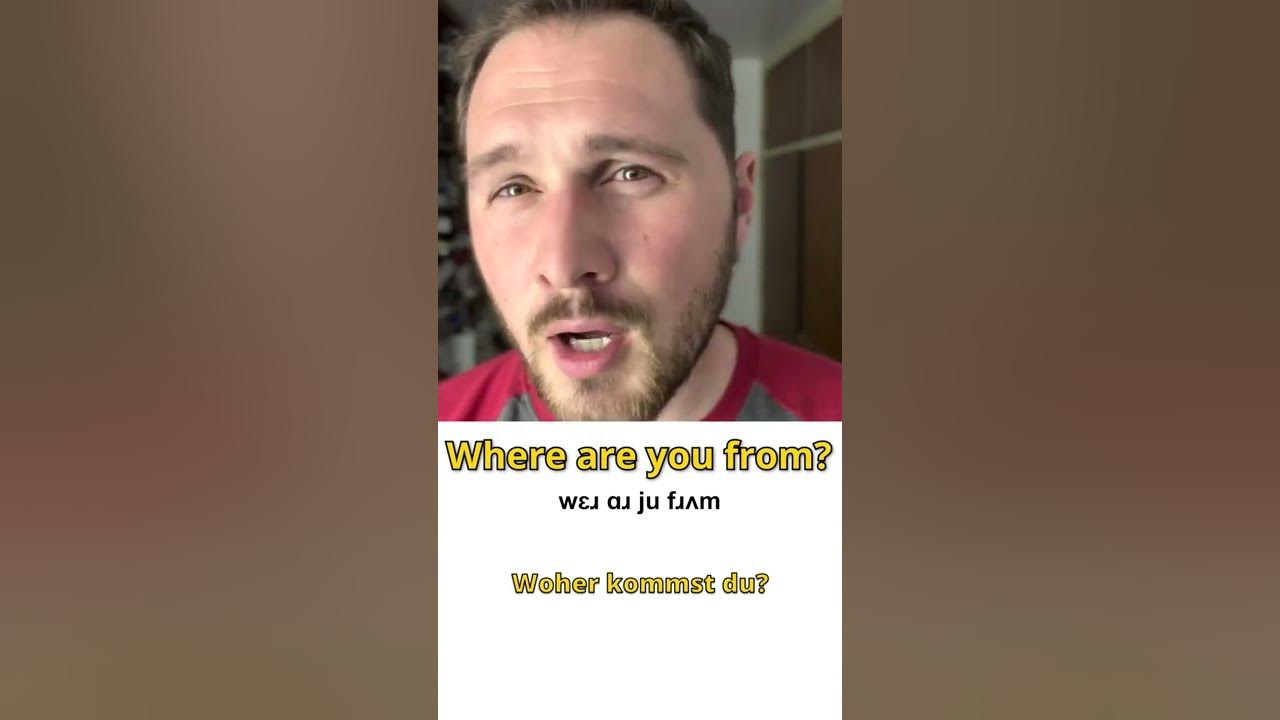
"Woher kommst du?" directly translates to "Where do you come from?" in English. It's a very common question in German, used to ask about someone's origin or place of birth.
Breaking it down:
Let's look at each word separately:
- Woher: This word means "from where" or "where from." It indicates the origin or starting point. Imagine someone asking, "Woher hast du diese Blume?" (Where did you get this flower from?)
- kommst: This is the second-person singular form of the verb "kommen," which means "to come." It's conjugated to match "du" (you). For example, "Ich komme aus Berlin" (I come from Berlin).
- du: This is the informal pronoun for "you." It's used when addressing someone you know well, or someone younger than you. Think of it as the equivalent of "you" when talking to a friend.
- ?: The question mark signifies that it's a question.
Therefore, putting it all together, "Woher kommst du?" directly asks from which place *you* originate.
What does the question really mean?
While the literal translation is straightforward, the question can have different nuances depending on the context.
- Origin/Birthplace: Most often, it's asking where you were born or grew up. For example, if you're speaking with a German person and they ask "Woher kommst du?", they likely want to know what country or city you're from.
- Recent Travel: It could also refer to your most recent location. Imagine you arrive at a party slightly late and someone asks, "Woher kommst du?" They might mean "Where are you coming from (before arriving here)?"
- Heritage/Ancestry: In some cases, it could inquire about your ethnic background or family heritage. This is less common but possible.
Pay attention to the situation to understand the intended meaning.
Formal vs. Informal:
Remember that "du" is informal. The formal version of the question is "Woher kommen Sie?". "Sie" is the formal "you," and "kommen" is the verb conjugated to match "Sie." Use "Woher kommen Sie?" when speaking to someone you don't know well, someone older than you, or in a professional setting.
Example Answers:
Here are a few examples of how you might answer the question:
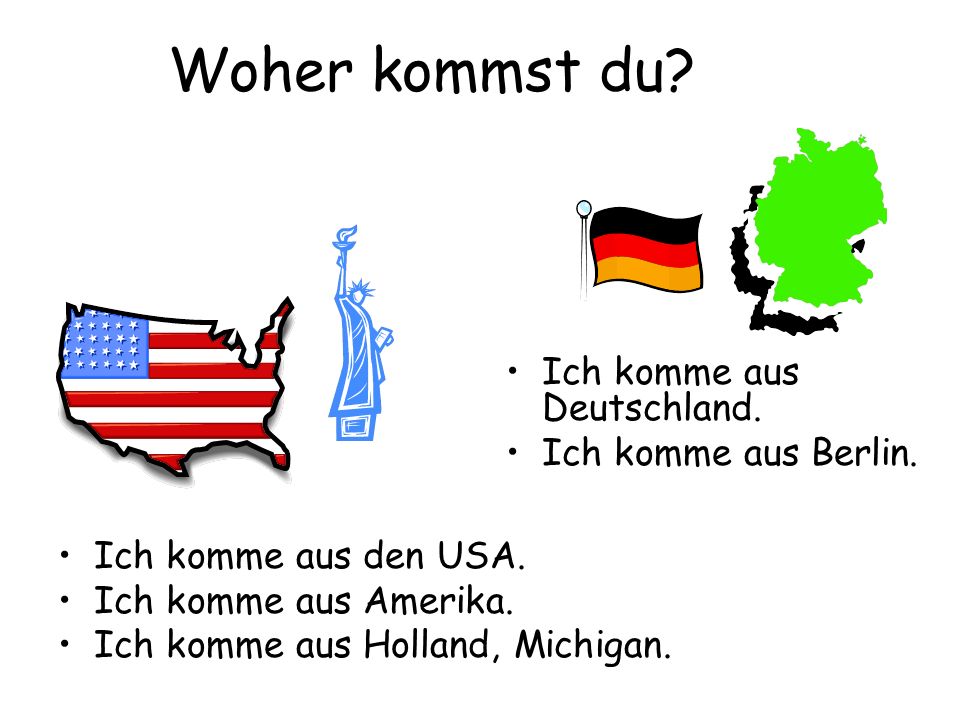
- "Ich komme aus den USA." (I come from the USA.)
- "Ich komme aus Berlin." (I come from Berlin.)
- "Ich komme gerade aus dem Büro." (I'm coming from the office.)
- "Meine Familie kommt aus Italien." (My family comes from Italy.)
Notice the use of "aus" (from) in these answers. It's the preposition that connects your origin to the verb "kommen."
Common Mistakes:
A common mistake for English speakers is to directly translate "Where are you from?" to "Wo bist du von?". This is grammatically incorrect. Always use "Woher kommst du?" or "Woher kommen Sie?"
In summary:
Understanding the phrase "Woher kommst du?" is crucial for basic German conversation. It's a simple yet important question that opens the door to learning more about someone. Remember to use the formal "Woher kommen Sie?" when appropriate and to pay attention to context to understand the intended meaning behind the question.