Wünscht Alles Gute Zum Geburtstag

Alles Gute Zum Geburtstag: Exploring German Birthday Wishes
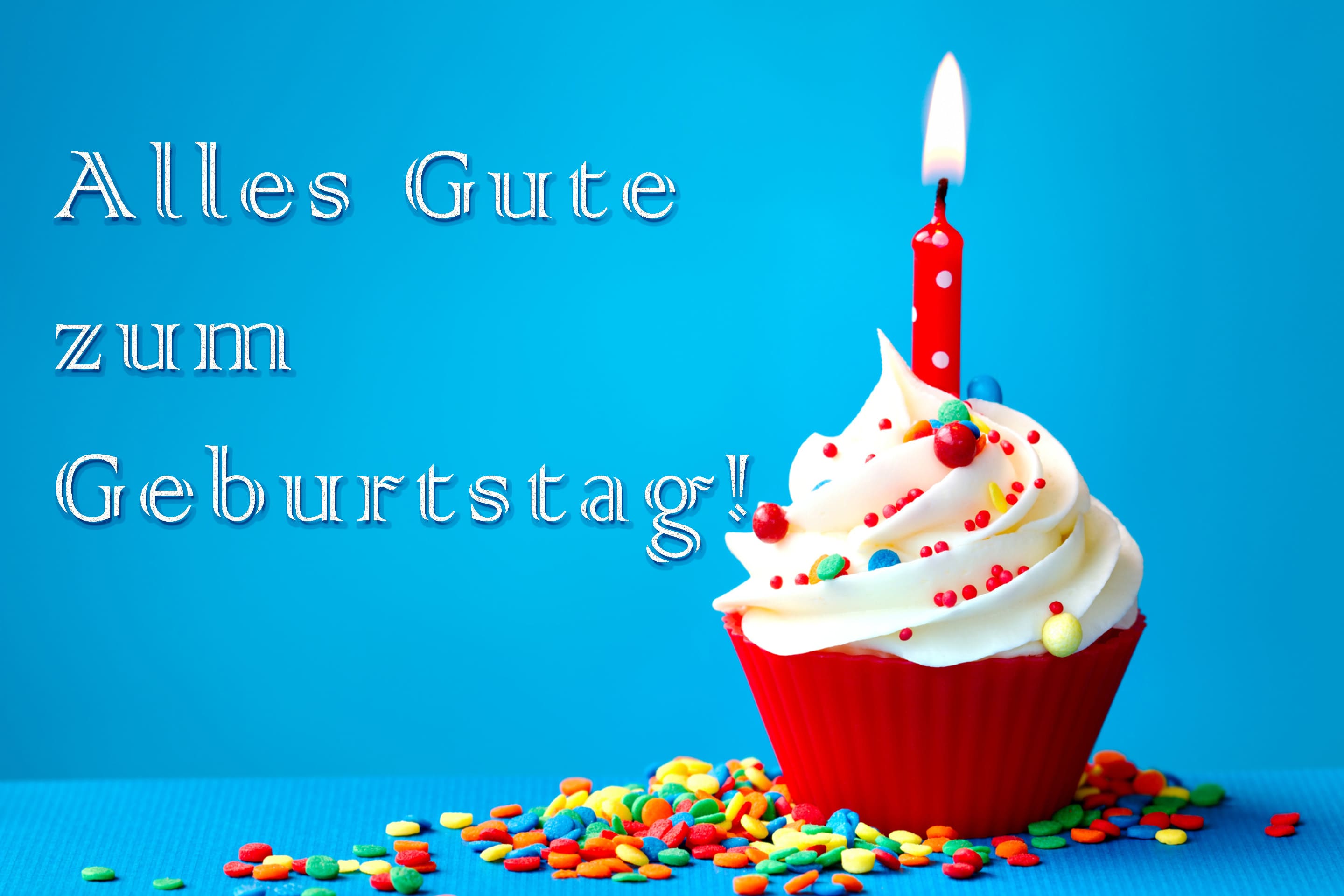
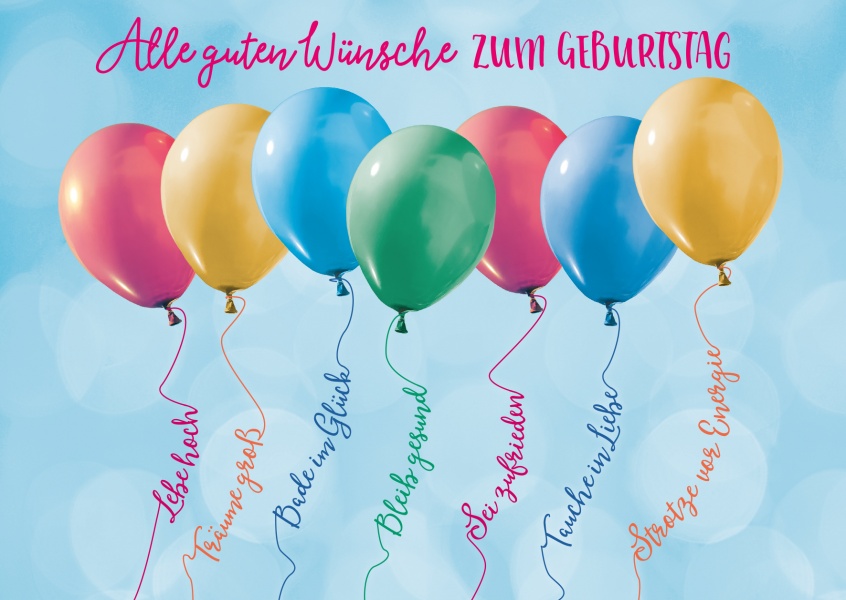
Let's dive into a common German phrase: "Alles Gute zum Geburtstag!" It's the standard way to say "Happy Birthday" in German. Understanding this phrase opens a door to cultural nuances and conversational German.
This simple greeting offers numerous teaching opportunities. It's more than just translation. It presents a chance to discuss German customs and celebrations. It also introduces grammatical concepts.
Breaking Down the Phrase
"Alles" means "all" or "everything". Think of it as encompassing all good things. "Gute" translates to "good". The case ending here (accusative neuter) is important to consider, though you might choose to address this point later depending on your students' level. Finally, "zum Geburtstag" means "for the birthday".
So, literally, "Alles Gute zum Geburtstag" means "All the best for your birthday!" It's a warm and well-wishing sentiment. Students can easily grasp this meaning and relate it to their own birthday celebrations.
Teaching Tips for Educators
Start with pronunciation. Encourage students to repeat the phrase several times. Break it down into smaller parts: "Alles," "Gute," "zum," "Geburtstag." Emphasize the correct pronunciation of "Geburtstag" (ge-BOORT-stag).
Use visual aids. A birthday cake image or a German flag can add context. You can also use flashcards with the words and their English translations. This helps create a multi-sensory learning experience.
Incorporate interactive activities. Have students practice saying "Alles Gute zum Geburtstag" to each other. You can create a role-playing scenario where they greet someone on their birthday. This active engagement will make the phrase more memorable.
Compare and contrast with English. Discuss the similarities and differences between German and English birthday greetings. This helps students understand the nuances of both languages.
Common Misconceptions
One common misconception is that "Alles Gute" can be used in any situation. While it translates to "all the best," it's most commonly associated with birthdays or other specific events. For general well-wishing, other phrases are more suitable.
Another misconception is about the word order. English speakers might be tempted to say "Gute Alles zum Geburtstag." Emphasize the correct word order in German, which is different from English.
Students might also confuse "Geburtstag" with other German words. Reinforce the meaning of "Geburtstag" through repetition and contextual examples. Connect it visually with images of birthday celebrations.
Making it Engaging
Sing "Happy Birthday" in German. The German version of "Happy Birthday" exists, and it's a fun way to introduce the phrase. Find a simple version online and sing it together as a class. It boosts engagement and helps with pronunciation.
Discuss German birthday traditions. Research and present information about how birthdays are celebrated in Germany. This will add cultural context to the phrase and make it more interesting.
Use real-life examples. Show videos of Germans wishing each other "Alles Gute zum Geburtstag." This allows students to hear the phrase used naturally in conversation. It also gives them a glimpse into German culture.
Create a birthday calendar for the class. Celebrate student birthdays by saying "Alles Gute zum Geburtstag!" and sharing a small treat. This makes the learning experience personal and memorable for each student.
Encourage students to research other German birthday phrases. For example, they can learn how to say "Congratulations!" or "Have a great day!". This expands their vocabulary and encourages independent learning.
Consider using online resources. Many websites and apps offer interactive German lessons and vocabulary quizzes. These tools can supplement your classroom instruction and provide students with additional practice.
Beyond the Basics
Introduce related vocabulary. Teach words like "Geschenk" (gift), "Kuchen" (cake), and "Party" (party). This expands students' understanding of birthday-related vocabulary.
Explore different ways to say "Happy Birthday." "Herzlichen Glückwunsch zum Geburtstag" is a more formal option. Discuss the different levels of formality and when to use each phrase.
Remember to celebrate the learning process. Make learning German fun and engaging. With creative activities and enthusiastic teaching, students will embrace "Alles Gute zum Geburtstag!" and other German phrases.
By integrating cultural insights and interactive exercises, educators can transform a simple birthday greeting into a valuable learning experience. Students will not only learn a new phrase but also gain a deeper understanding of German language and culture.