Zusammenfassung Romeo Und Julia Auf Dem Dorfe
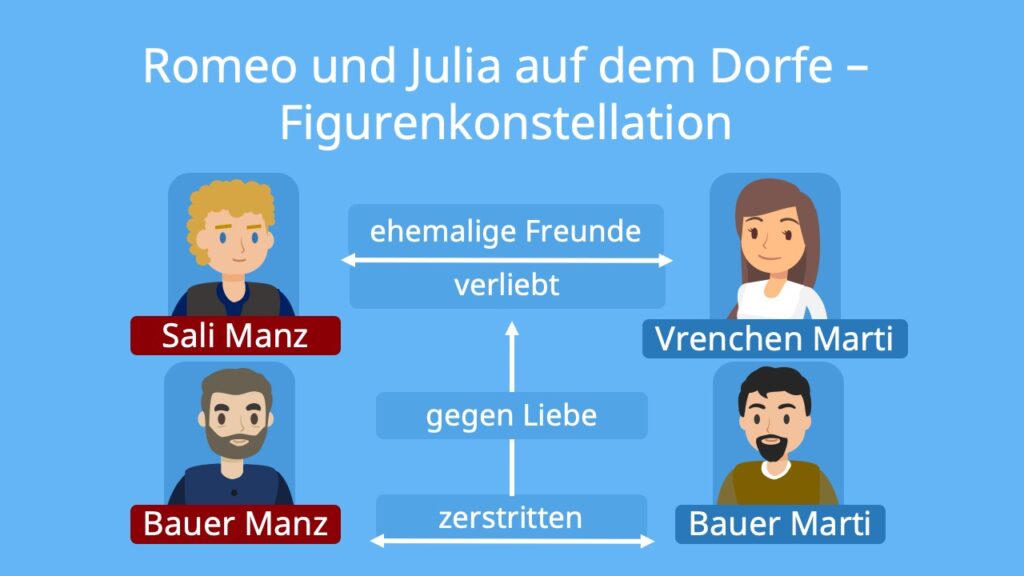
Gottfried Keller's novella Romeo und Julia auf dem Dorfe (Romeo and Juliet on the Village) is a poignant and tragic tale of two young lovers, Sali and Vrenchen, whose destinies are intertwined and ultimately doomed by the destructive forces of familial conflict and societal pressures. Set against the backdrop of a struggling 19th-century Swiss farming community, the story resonates with timeless themes of love, poverty, and the devastating consequences of unresolved disputes.
Key Points and Arguments
The Destructive Nature of Familial Conflict
At the heart of the novella lies the bitter and long-standing feud between the two farmers, Manz and Marti. This animosity, fueled by a dispute over a piece of land, poisons the atmosphere and casts a dark shadow over the lives of their children. The land in question becomes a symbol of greed and resentment, effectively destroying any possibility of reconciliation and cooperation between the two families.
Keller masterfully portrays how deeply ingrained this conflict becomes. It's not merely a business disagreement; it's a personal vendetta that consumes the lives of both men. They are blinded by their pride and stubbornness, unable to see the devastating impact their feud has on their families, particularly on Sali and Vrenchen.
The escalating tension is palpable throughout the story, creating a sense of impending doom. Every interaction between Manz and Marti is charged with hostility, and their simmering anger threatens to boil over at any moment. This constant state of conflict creates a toxic environment that stifles the growth and happiness of those around them.
The Allure and Tragedy of Forbidden Love
Sali and Vrenchen's love blossoms amidst this hostile environment, offering a brief respite from the harsh realities of their lives. Their connection is pure and innocent, a beacon of hope in a world consumed by bitterness. They find solace and understanding in each other's company, forming a bond that transcends the animosity between their fathers.
However, their love is doomed from the start. The feud between their families casts a long shadow over their relationship, making it impossible for them to be together openly and freely. Their clandestine meetings and stolen moments of intimacy are constantly threatened by the fear of discovery and the potential consequences of their actions.
The tragic irony is that their love, which should be a source of joy and strength, becomes a source of pain and despair. They are forced to choose between their families and their love for each other, a choice that ultimately leads to their destruction. Their inability to escape the constraints of their circumstances highlights the devastating power of societal pressures and familial expectations.
Poverty and Social Isolation
The novella paints a stark picture of the poverty and social isolation that plague the Swiss countryside. Manz and Marti, once prosperous farmers, are reduced to penury by their ongoing legal battles and their own poor decisions. This economic hardship further exacerbates their resentment and fuels their conflict.
Sali and Vrenchen's lives are also deeply affected by their families' financial struggles. They are deprived of opportunities for education and advancement, trapped in a cycle of poverty and despair. Their limited options and lack of prospects contribute to their sense of hopelessness and ultimately lead them to make drastic choices.
The novella also explores the theme of social isolation. Manz and Marti are ostracized by the community due to their persistent feud. This isolation further reinforces their bitterness and prevents them from seeking help or finding a way out of their predicament. Sali and Vrenchen, too, feel alienated from society, trapped between their families' conflict and their own desires.
The Loss of Innocence and the Corrupting Influence of Society
As Sali and Vrenchen navigate the challenges of their lives, they gradually lose their innocence and become disillusioned with the world around them. They witness the corrupting influence of greed, envy, and social injustice, which strips away their hope and optimism.
Vrenchen's experiences are particularly poignant. She is subjected to the harsh realities of poverty and the exploitative nature of society. Her vulnerability and naivety are preyed upon, leading to a series of events that shatter her innocence and leave her feeling deeply scarred. This experience highlights the vulnerability of young women in a patriarchal society and the devastating consequences of social inequality.
Sali, too, undergoes a significant transformation. He witnesses the destructive power of his father's hatred and the crushing weight of poverty. He becomes increasingly cynical and disillusioned, losing faith in the possibility of a better future. This loss of innocence is a key factor in their eventual tragic demise.
The Role of Nature and Symbolism
Nature plays a significant role in the novella, often serving as a mirror reflecting the characters' inner states and the unfolding drama. The changing seasons, the landscapes, and the natural elements all contribute to the overall atmosphere and meaning of the story.
For example, the overgrown and neglected field, the source of the conflict between Manz and Marti, symbolizes the decay and destruction caused by their greed and resentment. The field, once a source of potential prosperity, becomes a barren wasteland, reflecting the barrenness of their lives.
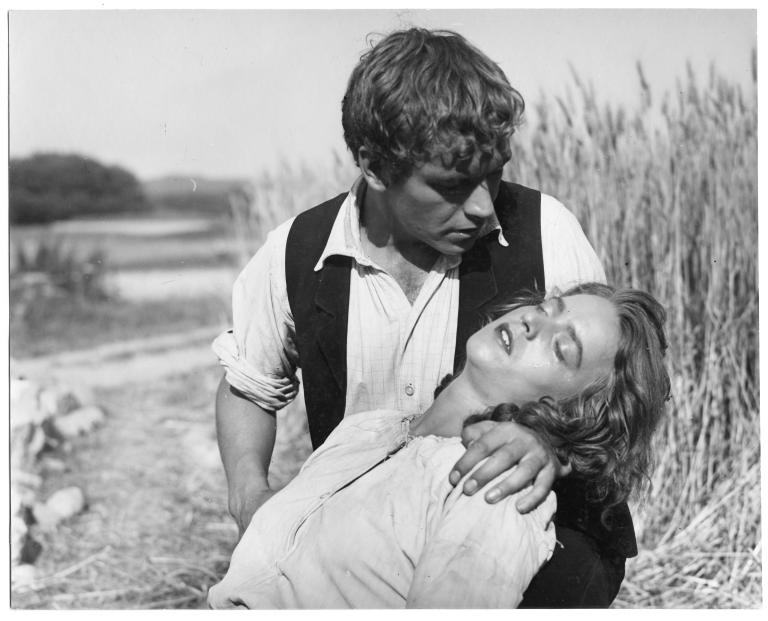
The wheat field where Sali and Vrenchen find moments of peace and connection also symbolizes the potential for growth and renewal. However, even this idyllic setting is tainted by the surrounding conflict, suggesting that their happiness is ultimately unsustainable. The river, where they ultimately choose to end their lives, represents the final escape from their earthly suffering, a return to the natural world.
The colors in the novella also hold symbolic weight. White, often associated with purity and innocence, is contrasted with darker colors representing the moral decay and the looming tragedy. This contrast helps to emphasize the contrast between the ideals of love and the harsh realities of their world.
The Inevitability of Tragedy and the Question of Fate
Romeo und Julia auf dem Dorfe is a tragedy in the classical sense, suggesting that the characters are ultimately victims of fate. Their destinies are predetermined by the circumstances of their birth and the actions of their fathers. Despite their best efforts to escape their predetermined path, they are ultimately unable to overcome the forces that conspire against them.
However, the novella also raises questions about the extent to which the characters are responsible for their own downfall. While they are undoubtedly victims of circumstance, their choices and actions also contribute to their tragic fate. Their inability to communicate effectively, their tendency to succumb to despair, and their ultimate decision to end their lives all play a role in the unfolding tragedy.
The question of fate versus free will is a central theme in the novella, leaving the reader to ponder the extent to which human beings are masters of their own destinies or simply puppets of larger forces. This ambiguity adds to the complexity and enduring appeal of the story.
Real-World Examples and Data
While Romeo und Julia auf dem Dorfe is a fictional work, its themes resonate with real-world examples of familial conflicts and their devastating consequences. Feuds between families, particularly over land or inheritance, are a common occurrence in many cultures and can lead to violence, social isolation, and long-term emotional damage.
Studies have shown that children who grow up in families embroiled in conflict are more likely to experience mental health problems, academic difficulties, and relationship issues. The constant stress and tension of living in a hostile environment can have a profound impact on their development and well-being.
Furthermore, the novella's portrayal of poverty and social isolation reflects the challenges faced by many marginalized communities around the world. Lack of access to education, healthcare, and economic opportunities can create a cycle of poverty and despair, making it difficult for individuals to escape their circumstances.
The exploitation of vulnerable individuals, as depicted in Vrenchen's story, is also a persistent problem in many societies. Women and children are particularly vulnerable to exploitation and abuse, especially in situations of poverty and social inequality.
Conclusion and Call to Action
Romeo und Julia auf dem Dorfe serves as a powerful reminder of the destructive consequences of unchecked conflict, poverty, and social injustice. The tragic fate of Sali and Vrenchen underscores the importance of empathy, understanding, and reconciliation.
The novella calls us to reflect on the ways in which our own actions and attitudes can contribute to or alleviate suffering. It encourages us to challenge societal norms and structures that perpetuate inequality and injustice. By fostering a culture of compassion, understanding, and forgiveness, we can create a world in which stories like that of Sali and Vrenchen become a thing of the past.
As readers, we can take several actions inspired by this tragic tale:
* Promote conflict resolution and mediation: Support initiatives that help families and communities resolve disputes peacefully and constructively. * Advocate for social justice: Support policies and programs that address poverty, inequality, and discrimination. * Support vulnerable individuals: Reach out to those who are marginalized and vulnerable, offering support and compassion. * Educate ourselves and others: Learn more about the root causes of conflict and injustice, and share our knowledge with others. * Cultivate empathy and understanding: Strive to understand the perspectives of others, even those who hold different views than our own.By taking these steps, we can honor the memory of Sali and Vrenchen and work towards a more just and compassionate world.